The Creative Frontier: AI in the Arts
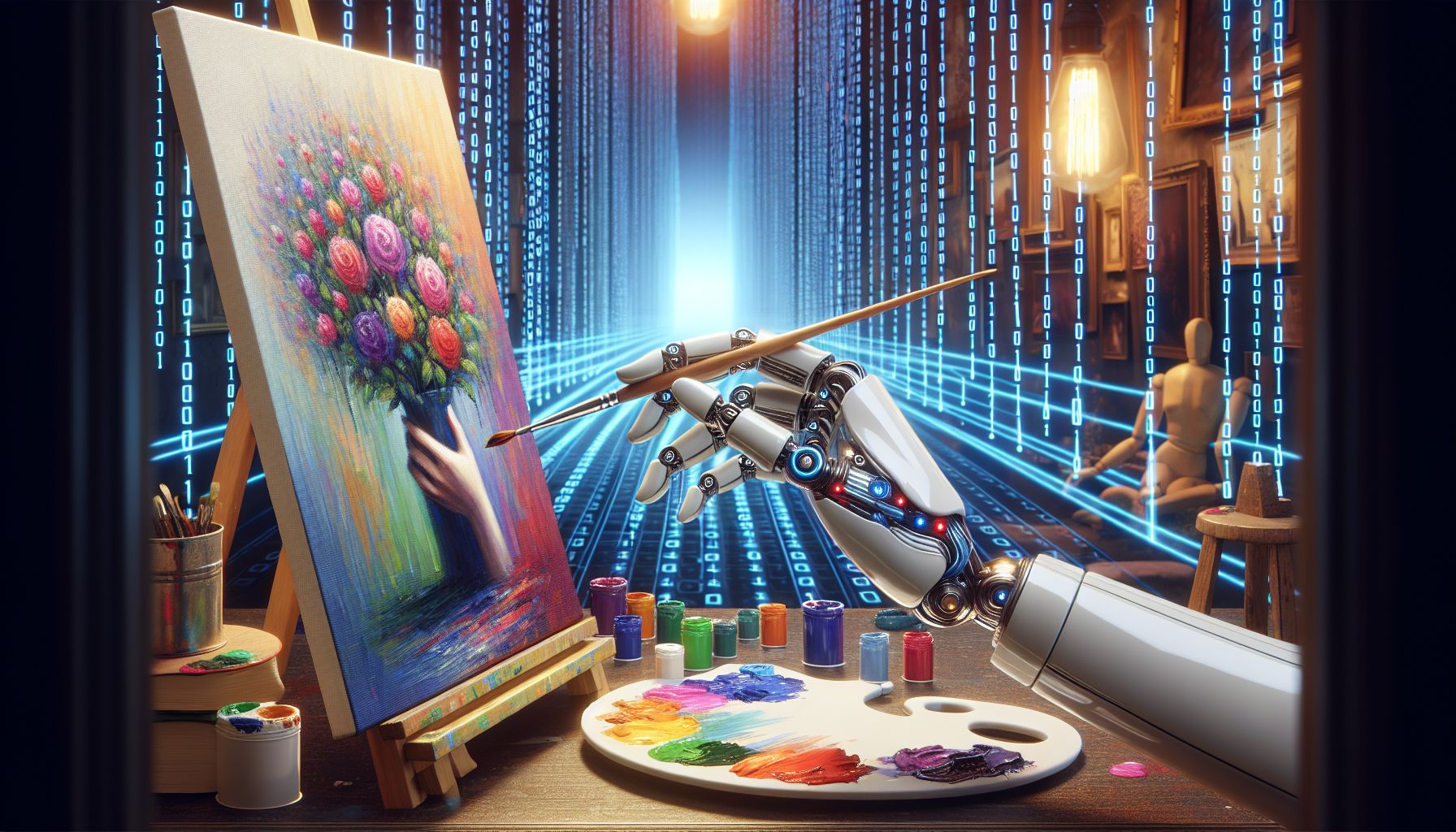
Hey tech enthusiasts! Today, let’s put our nerd hats on and take a look at what’s happening with Artificial Intelligence in the arts. I know, I know—when we think of AI, our minds often leap to robotic assembly lines or algorithms crunching numbers. But here’s what’s actually happening: AI is stepping onto center stage, brushing up (pun fully intended) its skills, and changing how we think about creativity. And honestly, it’s pretty amazing to watch.
Why AI in the Arts Actually Matters
You might be wondering, “Why all this buzz about machines dabbling in art?” Well, here’s what I’ve noticed. Artists, musicians, and other creatives are using AI as a collaborator, not as a competitor. This combination is breaking down the walls between classical artistry and digital innovation. Picture this: traditional artists working with algorithms, musicians remixing tunes with machine precision, and authors weaving narratives with AI-crafted plot twists. It’s like watching human imagination meet machine intelligence in real time.
Let me show you what I mean!
A Canvas of Codes: Visual Arts
Let’s start with visual arts, where things get really interesting. Algorithms aren’t just recognizing patterns anymore—they’re creating them. This isn’t sci-fi, this is happening right now. Take DeepArt, where AI creates artworks by copying the styles of masters like Van Gogh or Picasso. Artists like Mario Klingemann have been creating incredible pieces using neural networks, and it makes you question what “real” art even means anymore.
But it goes beyond oil paints and canvas. NVIDIA has developed AI that converts basic sketches into photorealistic images. So even if you draw like a toddler (like me), your imagination can now come to life in 4K.
Tunes from Terabytes: Music Composition
Remember when music was all about soul and strings? Now AI-driven compositions are everywhere. OpenAI’s MuseNet and Google’s Magenta are leading the charge, composing symphonies and jazzy tracks with just a little human input.
What gets me excited isn’t that AI can throw together some catchy beats—it’s the collaboration potential. I went to an indie concert recently where the band had co-written several tracks with an AI. It was weird in the best way. While the performers jammed on stage, the AI was like their silent, data-driven bandmate, influencing harmonies and rhythms in ways humans might never have thought of.
Storytelling with Silicon: Literature and Writing
If I had a nickel for every time someone said, “Machines can’t create meaningful stories,” I’d probably have enough to buy a mansion in the metaverse. But AI-driven storytelling isn’t just possible, it’s genuinely impressive. GPT-3 has helped generate engaging plots and dialogues that make you wonder if robots will write the next Harry Potter.
Writers are using AI for brainstorming, building characters, and even crafting complex narratives. The technology offers a different perspective, challenging conventional thought patterns and creating fresh storytelling approaches. Who knew writers’ block could be fought off with ones and zeros?
Bridging the Gap: Human and AI Collaboration
So where does this leave us carbon-based life forms? It’s natural to worry that as machines get more creative, our jobs and passions might feel threatened. But here’s the thing—we’re talking about ‘augmented’ creativity, not ‘replaced’ creativity.
AI is great at handling data, processing tons of variables, and opening pathways we haven’t explored yet. Meanwhile, the human touch—our emotions, subjective tastes, and deeper insights—remains irreplaceable. When you combine these strengths, creatives now have a much richer toolkit for their masterpieces.
The Challenges and the Road Ahead
As exciting as AI in arts sounds, it’s not all smooth sailing. The intersection of tech and creativity raises tough questions about authenticity, copyright, and ownership. Can we really say a piece of music belongs to an artist if it was heavily AI-assisted? Who gets the credit when AI comes up with a bestseller plot? These questions stick around as a reminder that tech evolution comes with ethical complications.
Going forward, I think things will get clearer. We need better conversations around responsible AI usage, transparent collaborations, and intellectual property rights to keep up with these technological leaps. There’s a huge opportunity here to redefine what art, creativity, and originality mean in an AI-influenced world.
Conclusion: Embracing the AI Renaissance
So there you have it, fellow tech lovers. We’re sitting on the edge of an AI Renaissance where creativity has no limits. As digital paints mix with traditional oils, and as complex rhythms blend with code-driven beats, we’re watching a renaissance built from silicon and human emotion.
To all the aspiring artists, musicians, poets, and writers out there—don’t fear the bots. Work with them. Let AI be not just a tool, but a creative partner. Because somewhere between lines of code and strokes of genius lies the future of art. And honestly, I can’t wait to see what happens next.
Comments are Disabled