Monthly Archives: May 2025

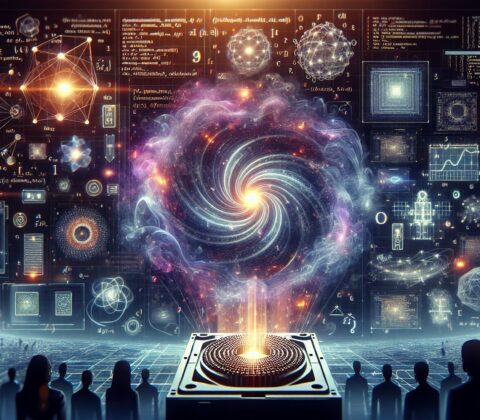
Quantum Computing: The New Frontier in Tech Revolution
Hey, tech lovers! Ever felt the thrill of discovering a brand-new gadget that blows your mind? You know, like the first time you held a smartphone or a virtual reality headset. Well, brace yourselves because today’s topic is guaranteed to stir some serious excitement in your neurons. I’m diving into the wild and wonderful world of quantum computing. If you thought classical computing was already mind-bending, wait till you get a load of this quantum stuff! Let’s explore what this means for our tech-infused lives, why you should care, and what the future might hold.
What the Heck is Quantum Computing?
I know what you’re thinking, quantum computing sounds like something straight out of a sci-fi novel, and you’d be right! In essence, it’s computing taken to an entirely new dimension.
Let’s start with the basics. Traditional computers use bits as the smallest unit of data, representing either a 0 or a 1. It’s pretty straightforward, right? Quantum computers, however, use qubits, which can represent both 0 and 1 simultaneously thanks to this magical property called superposition. It’s like they’re in two places at once! Imagine trying to flip a coin and having it land on both heads and tails at the same time. That’s qubits for you.
But wait, there’s more! These qubits are entangled, meaning the state of one qubit is linked to the state of another, no matter the distance apart (cue the “spooky action at a distance” from Einstein himself). This entanglement, along with superposition, allows quantum computers to process information at an exponentially faster rate than classical computers.
Recent Developments: Moving Beyond Theoretical Dreams
Quantum computing isn’t just a dream cooked up by sci-fi writers anymore. We’re beginning to see tangible progress, and it’s unbelievably exciting.
One of the major players in this field is Google, which made headlines when it claimed to achieve “quantum supremacy” in 2019. Translated from tech lingo, that meant solving a problem in 200 seconds that would take the fastest supercomputer 10,000 years to crack! Not to be left in the dust, IBM, Microsoft, and other tech giants are racing to advance this technology, pouring millions into their quantum research divisions.
And let’s not forget about those incredible startups nipping at the heels of the big guys. D-Wave Systems, Rigetti Computing, and IonQ are a few of the brave pioneers putting qubits through their paces. Their efforts mean that we’re not just sitting around watching the big players anymore. The competition is fierce, and I love it!
Why Should You Care?
Alright, so quantum computing is really cool. But what does it mean for us, everyday folks? Well, the implications are as massive as they are thrilling.
Imagine a world where drug discovery becomes near-instantaneous. Currently, scientists can spend years testing combinations and permutations of molecules to find effective treatments. With quantum computing’s ability to handle vast amounts of data in parallel, what takes years could be expedited to months, weeks, or even days. Diseases like cancer or Alzheimer’s might finally meet their match.
Beyond healthcare, think about optimization problems. Factories, traffic systems, financial markets. Quantum computers can solve these faster and can identify solutions we haven’t even considered yet. The global logistics alone that could be performed is mind-blowing!
Challenges in Quantum Paradise
Hold up. Before we dive headlong into a whirlwind of quantum-processed dreams, remember, it’s not all rainbows and double rainbows. There are some knotty problems to untangle before we quantum leap into the future.
To start, quantum computers are notoriously sensitive. Environmental noise, like heat or electromagnetic waves, can disrupt qubits, leading to computational errors. It’s like trying to have a conversation at a rock concert. Good luck with that.
Plus, there’s the issue of scalability. We’re still figuring out how to build and manage large-scale quantum systems. As it stands, these experimental quantum computers operate under delicately controlled conditions, often in rooms that look straight out of “Mad Scientist Monthly.”
And let’s not even get started on the ethical considerations. The immense power of quantum computing could potentially lead to breakthroughs in encryption-breaking, posing a threat to data privacy as we know it. Your encrypted files might turn into open books. Yikes!
Gazing Into the Quantum Crystal Ball
Alright, time to whip out the future-telling gizmo. Quantum computing is still in its infancy compared to classical computing’s decades-long run. The hurdles we face are real, but so is the promise of tomorrow.
Quantum computers might become as common as cell phones one day, part of our personal and professional lives. If you’re in tech, it’s high time to get yourself some quantum literacy. Understand the fundamentals and keep a keen eye on developments. Who knows? You might just become the quantum unicorn who leads humanity into this brave new world.
In the meantime, as these innovations evolve, let’s continue geeking out about the newest discoveries, the unfolding mysteries, and the endless possibilities. After all, isn’t the fun of looking to the future imagining what might just pop out of its glittering box next?
Until next time, stay curious, stay excited, and stay quantum-computing-enthusiastic!
The Creative Frontier: AI in the Arts
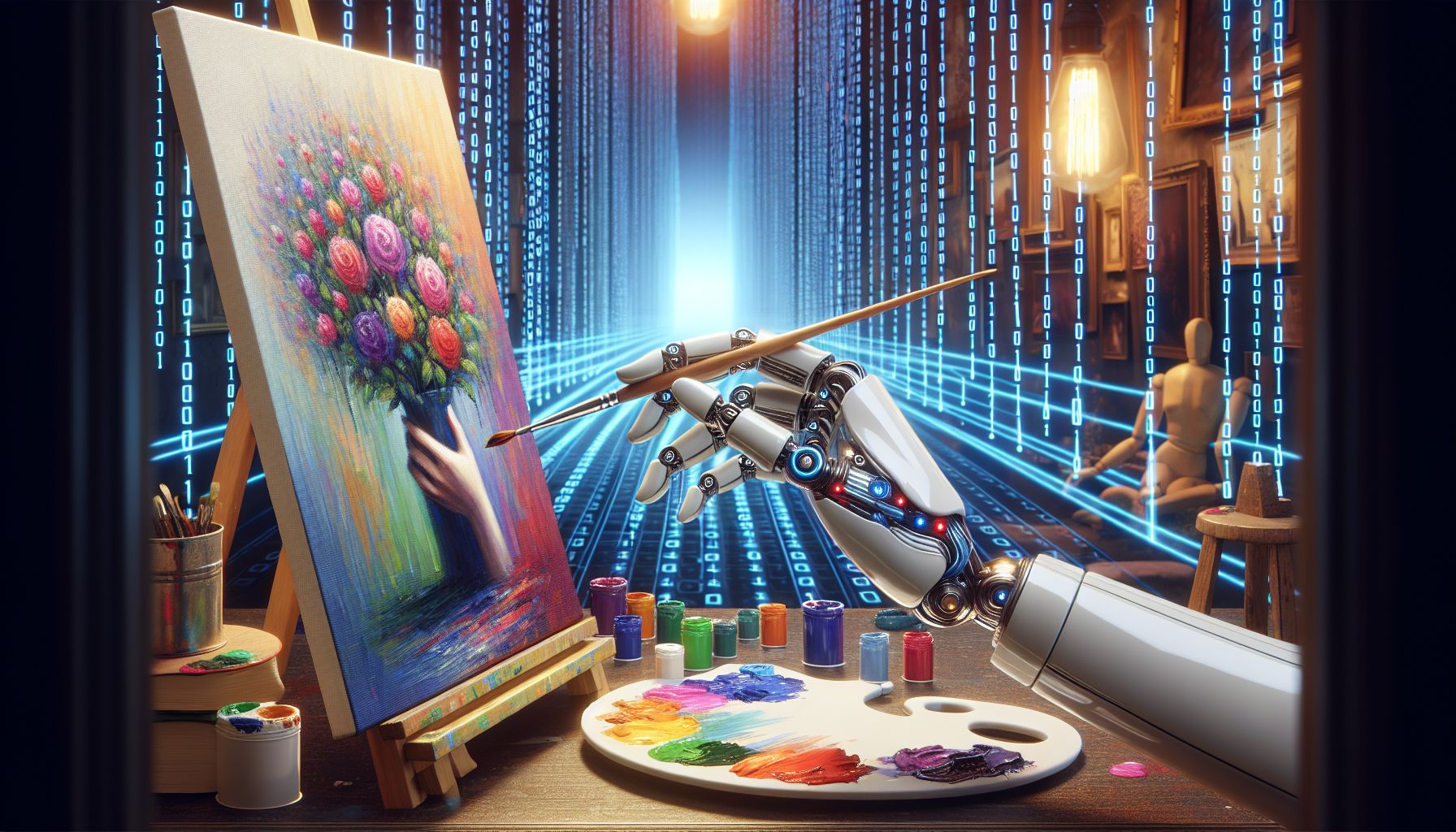
Hey tech enthusiasts! Today, let’s put our nerd hats on and take a look at what’s happening with Artificial Intelligence in the arts. I know, I know—when we think of AI, our minds often leap to robotic assembly lines or algorithms crunching numbers. But here’s what’s actually happening: AI is stepping onto center stage, brushing up (pun fully intended) its skills, and changing how we think about creativity. And honestly, it’s pretty amazing to watch.
Why AI in the Arts Actually Matters
You might be wondering, “Why all this buzz about machines dabbling in art?” Well, here’s what I’ve noticed. Artists, musicians, and other creatives are using AI as a collaborator, not as a competitor. This combination is breaking down the walls between classical artistry and digital innovation. Picture this: traditional artists working with algorithms, musicians remixing tunes with machine precision, and authors weaving narratives with AI-crafted plot twists. It’s like watching human imagination meet machine intelligence in real time.
Let me show you what I mean!
A Canvas of Codes: Visual Arts
Let’s start with visual arts, where things get really interesting. Algorithms aren’t just recognizing patterns anymore—they’re creating them. This isn’t sci-fi, this is happening right now. Take DeepArt, where AI creates artworks by copying the styles of masters like Van Gogh or Picasso. Artists like Mario Klingemann have been creating incredible pieces using neural networks, and it makes you question what “real” art even means anymore.
But it goes beyond oil paints and canvas. NVIDIA has developed AI that converts basic sketches into photorealistic images. So even if you draw like a toddler (like me), your imagination can now come to life in 4K.
Tunes from Terabytes: Music Composition
Remember when music was all about soul and strings? Now AI-driven compositions are everywhere. OpenAI’s MuseNet and Google’s Magenta are leading the charge, composing symphonies and jazzy tracks with just a little human input.
What gets me excited isn’t that AI can throw together some catchy beats—it’s the collaboration potential. I went to an indie concert recently where the band had co-written several tracks with an AI. It was weird in the best way. While the performers jammed on stage, the AI was like their silent, data-driven bandmate, influencing harmonies and rhythms in ways humans might never have thought of.
Storytelling with Silicon: Literature and Writing
If I had a nickel for every time someone said, “Machines can’t create meaningful stories,” I’d probably have enough to buy a mansion in the metaverse. But AI-driven storytelling isn’t just possible, it’s genuinely impressive. GPT-3 has helped generate engaging plots and dialogues that make you wonder if robots will write the next Harry Potter.
Writers are using AI for brainstorming, building characters, and even crafting complex narratives. The technology offers a different perspective, challenging conventional thought patterns and creating fresh storytelling approaches. Who knew writers’ block could be fought off with ones and zeros?
Bridging the Gap: Human and AI Collaboration
So where does this leave us carbon-based life forms? It’s natural to worry that as machines get more creative, our jobs and passions might feel threatened. But here’s the thing—we’re talking about ‘augmented’ creativity, not ‘replaced’ creativity.
AI is great at handling data, processing tons of variables, and opening pathways we haven’t explored yet. Meanwhile, the human touch—our emotions, subjective tastes, and deeper insights—remains irreplaceable. When you combine these strengths, creatives now have a much richer toolkit for their masterpieces.
The Challenges and the Road Ahead
As exciting as AI in arts sounds, it’s not all smooth sailing. The intersection of tech and creativity raises tough questions about authenticity, copyright, and ownership. Can we really say a piece of music belongs to an artist if it was heavily AI-assisted? Who gets the credit when AI comes up with a bestseller plot? These questions stick around as a reminder that tech evolution comes with ethical complications.
Going forward, I think things will get clearer. We need better conversations around responsible AI usage, transparent collaborations, and intellectual property rights to keep up with these technological leaps. There’s a huge opportunity here to redefine what art, creativity, and originality mean in an AI-influenced world.
Conclusion: Embracing the AI Renaissance
So there you have it, fellow tech lovers. We’re sitting on the edge of an AI Renaissance where creativity has no limits. As digital paints mix with traditional oils, and as complex rhythms blend with code-driven beats, we’re watching a renaissance built from silicon and human emotion.
To all the aspiring artists, musicians, poets, and writers out there—don’t fear the bots. Work with them. Let AI be not just a tool, but a creative partner. Because somewhere between lines of code and strokes of genius lies the future of art. And honestly, I can’t wait to see what happens next.
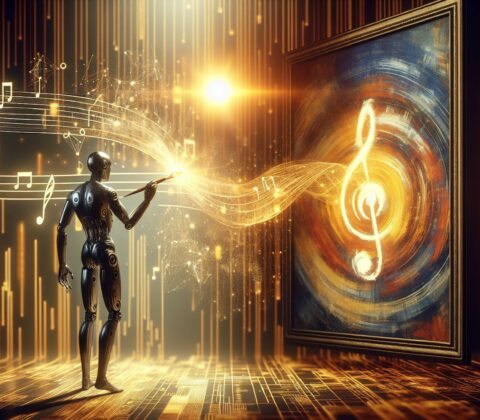
AI in Creative Arts: The Brushstrokes of Tomorrow
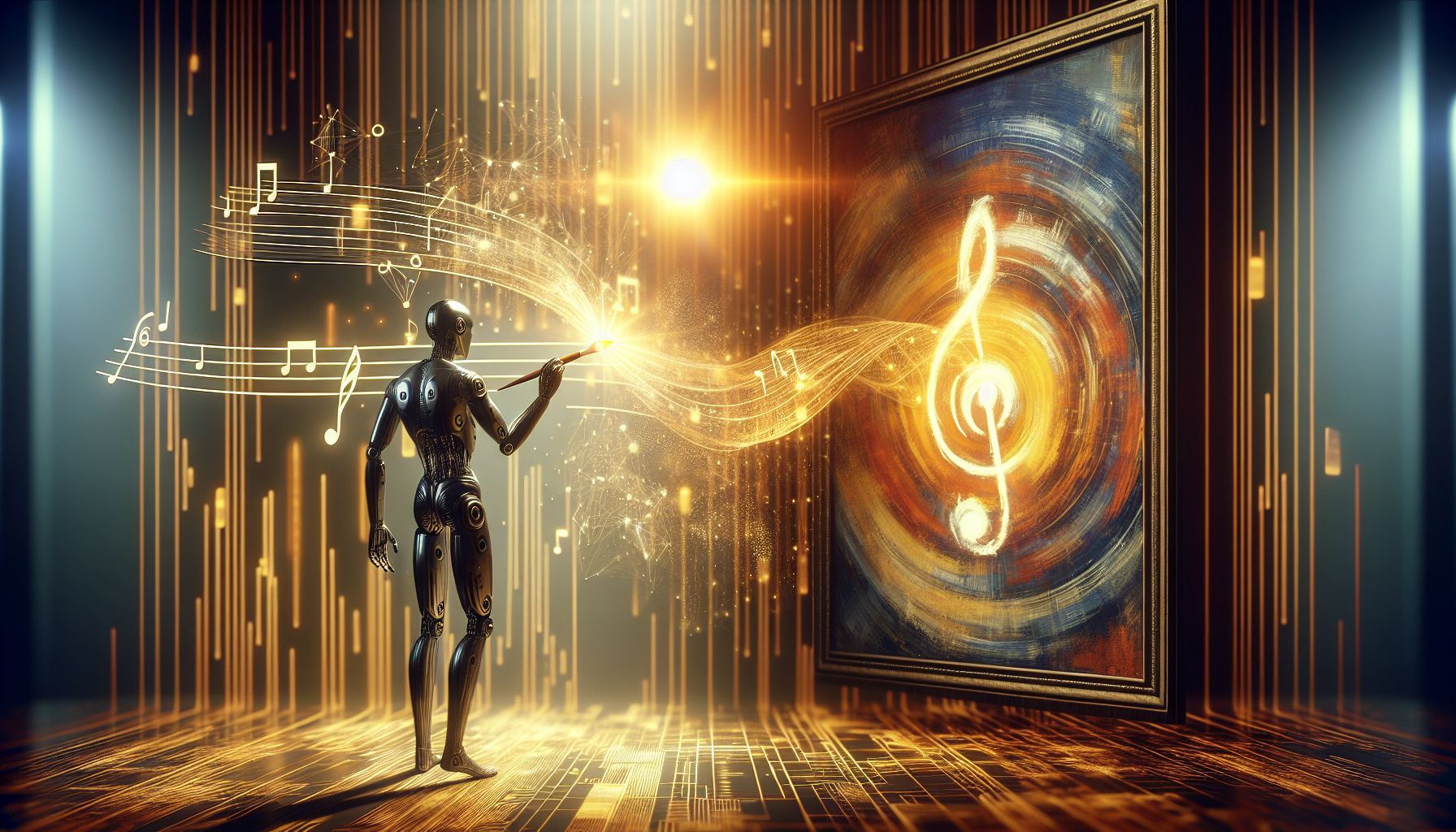
So, here we are, living in an era where computers not only beat us at chess but are also starting to give Picasso a run for his money. As someone who’s been immersed in the tech scene longer than I care to admit, I’ve seen my fair share of jaw-dropping innovations. But let me tell you, nothing quite compares to the way artificial intelligence is shaking up the creative arts. Whether you’re a tech enthusiast or an artist at heart, there’s something magical about watching a machine come alive with creativity.
The Rise of Robo-Rembrandts
Artificial intelligence, for the uninitiated, isn’t just about algorithms running stock trades or recommending what you should binge-watch next. It’s making inroads into the art world, creating paintings, composing music, even writing poetry. Remember when computers started doing things we couldn’t possibly imagine them doing? Well, this is that moment for the arts. And no, it’s not just about copying human creativity, it’s about enhancing it, maybe even redefining what we think creativity is.
I’m talking about AI algorithms that can analyze a million paintings and then create something genuinely original, something that feels both new and familiar. Take, for instance, the work by AI artists like the collective Obvious who made headlines when their piece “Portrait of Edmond de Belamy” sold for a whopping $432,500 at auction. Who knew code could draw such a crowd?
Algorithmic Symphonies: The New Composers
Let’s shift gears for a moment and talk about music. Because if you thought AI was impressively pulling off visual art, wait until you hear what it’s doing with sound. Picture this: AI as an orchestral composer, creating symphonies that evoke emotion and tell stories. Companies like AIVA Technologies are at the forefront of this musical revolution. Their AI, named AIVA, has already composed scores for films and video game soundtracks. Isn’t that wild?
And it’s not just confined to classical music either. AI is collaborating with pop musicians, DJs, and even jazz ensembles. There’s Amper Music, a cloud-based platform that lets artists compose and produce music with the help of AI. As much as we romanticize the lone genius at a piano or mixing console, AI is proving to be an invaluable partner for artists looking to push the boundaries of their sound.
Wordsmithing AI: Breaking the Ink Barrier
Alright, I’ll admit, as a writer, I greeted AI poetry with a healthy dose of skepticism. How could a machine appreciate the subtlety of human emotion, the nuance of language, heck, even the rhythm of a good haiku? But here we are. AI is now crafting poems, blog posts, and even novels. GPT-3 from OpenAI, anyone? This AI model can generate human-like text, and although it’s not going to snag a Pulitzer just yet, its abilities are pretty darn impressive.
From generating dialogue for video games to helping authors brainstorm plot ideas, AI is proving itself a versatile tool in a writer’s arsenal. Imagine sitting down to write your next masterpiece and having an AI assist you with research or even generate plot twists. It’s the ultimate writer’s block antidote!
Facing the Artistic Abyss: Challenges and Controversies
Of course, not all that glitters is gold. With any major new technology, there are challenges and ethical dilemmas. One major concern is the question of authorship. When an AI creates, who owns the rights to that work, the developer, the AI, or perhaps, no one at all? It’s a tricky legal labyrinth that we’re only just beginning to navigate.
Moreover, there’s the debate around what this means for human artists. Is AI here to steal jobs, or can it coexist with human creativity? My two cents: AI isn’t trying to replace artists. It’s a tool, an extraordinarily sophisticated brush, that artists can use to experiment and explore new frontiers. Just as photography didn’t spell the end for portrait painters, AI isn’t sounding a death knell for traditional artists. If anything, it’s opening doors, not closing them.
The Future Palette: What’s Next?
Looking ahead, the potential for AI in the arts is as vast as a Jackson Pollock canvas. We could see cross-disciplinary projects where AI bridges the gap between disparate art forms, creating hybrid experiences we can only dream of now. Consider an art exhibition brought to life with music generated in real-time by audience interaction, or films tailor-written by AI to evoke perfectly calibrated emotions.
And let’s not forget accessibility. AI might enable democratization of the arts, offering tools for creatives who might not have the resources to bring their vision to life. From AI brushes in digital art software to collaborative music platforms, the barriers to entry are lowering, inviting more voices to share their stories with the world.
So, as I wrap up this thought experiment swirled with silicon-based creativity, I leave you with this: Tech and art were once considered two distant planets in separate galaxies, but now they’re aligned and shining brighter than ever. Human and artificial hands will paint, compose, and write together. And I, for one, can’t wait to see what masterpieces await us.