The Last Stand: How Exurban Coffee Shops Became the New Front Lines of American Culture
The Tide Turns Back
The great suburban exodus is officially over. After fifteen years of Americans fleeing strip malls and cul-de-sacs for city centers, the Census Bureau’s 2025 Urban Migration Report confirms what those of us tracking cultural shifts have been sensing: cities added 1.8 million residents last year while suburban growth flatlined. But here’s the twist nobody saw coming. The real action isn’t happening in Brooklyn lofts or downtown Austin condos.
It’s happening in the places people left behind. Specifically, in the coffee shops that sprouted up in their wake.
Drive through Alpharetta, Georgia or Plano, Texas today and you’ll find something unexpected. Where Starbucks once dominated every corner plaza, independent roasters now pull shots with the precision of downtown baristas. These aren’t your typical suburban coffee chains. We’re talking about third-wave coffee culture dropping into communities that still debate whether pineapple belongs on pizza.
The Numbers Don’t Lie
The Specialty Coffee Association’s Exurban Expansion Study tracked 847 independent coffee shops opening in previously chain-dominated exurban locations throughout 2025. That’s more than two new specialty coffee shops every day in places where “specialty” used to mean adding an extra pump of vanilla syrup.
Meanwhile, Starbucks shuttered 340 suburban locations in the final quarter alone. The surviving independent shops in those same areas saw revenue spike by an average of 234%. This isn’t just market correction. It’s cultural revolution brewing at 195 degrees Fahrenheit.
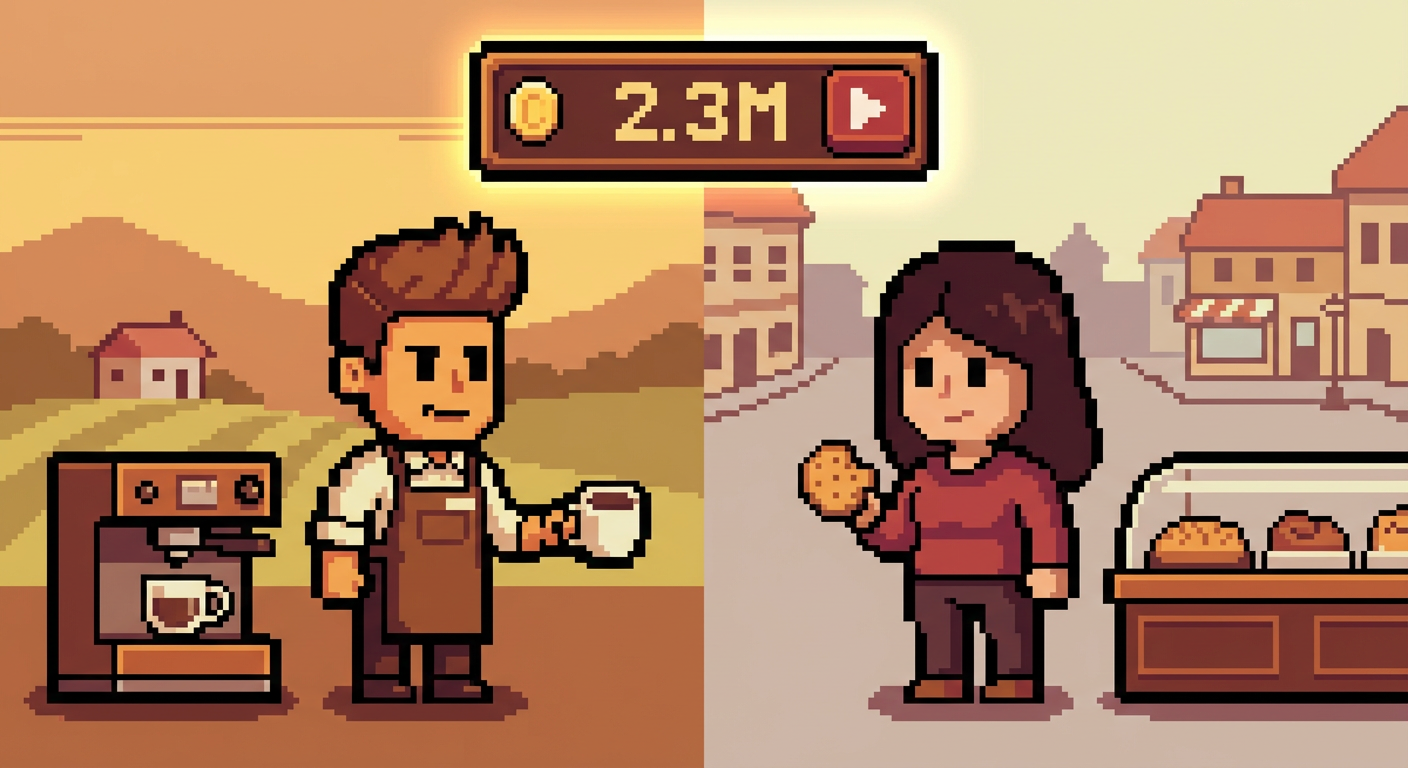
The documentary ‘Baristas vs. Biscuits’ captured this tension perfectly. Following coffee culture clashes across Georgia’s outer suburbs, it racked up 2.3 million YouTube views in its first month. Viewers came for the drama but stayed for something deeper: the recognition that coffee shops have become proxy battlegrounds for competing visions of American community.
When Worlds Collide Over Single Origins
Local news outlets documented 156 incidents of “coffee shop cultural conflict” across 23 states between October and February. These aren’t riots. They’re something more subtle and potentially more telling: quiet standoffs between longtime residents and the coffee shops that suddenly appeared in their neighborhoods.
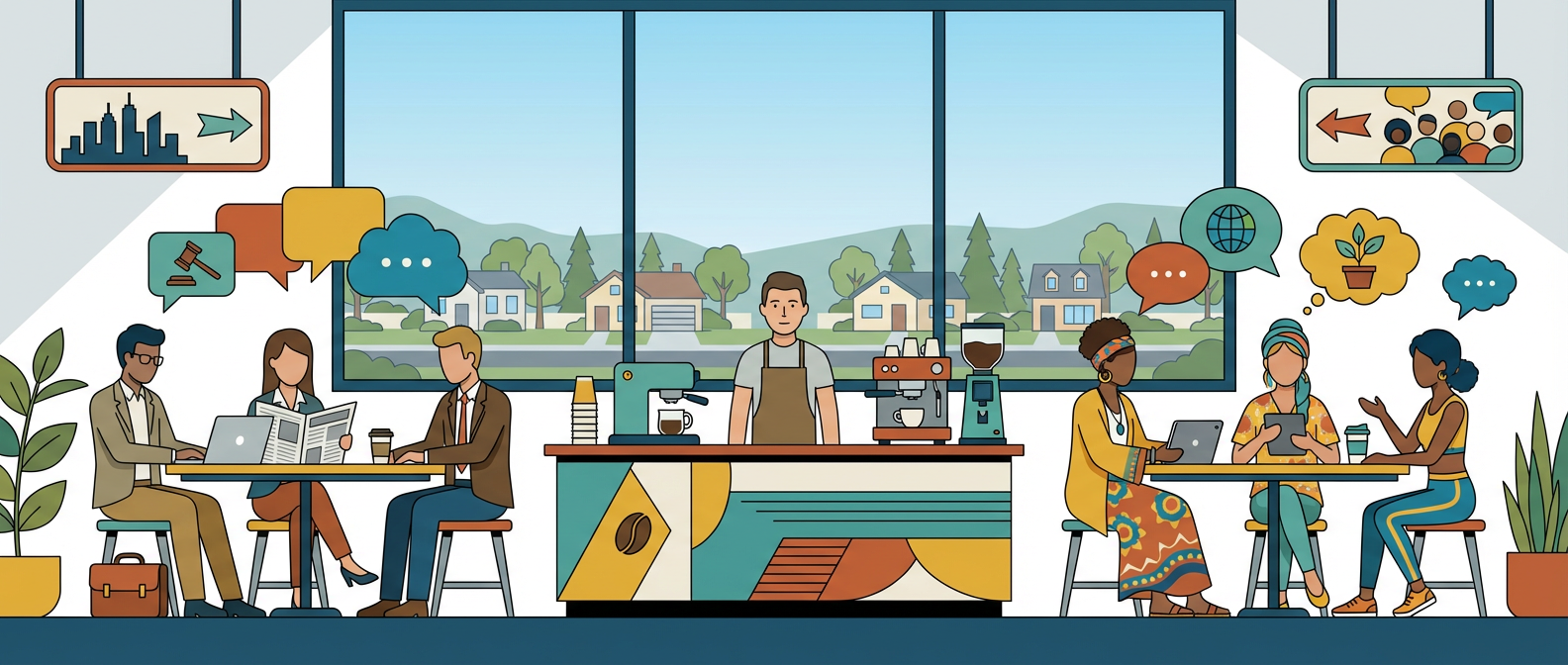
Take Meridian Coffee Collective in suburban Atlanta. Owner Sarah Chen sources beans from single-origin farms and posts tasting notes that read like wine reviews. Her regulars discuss extraction ratios and grind consistency with religious fervor. But every morning at 7 AM, Jerry Martinez orders “regular coffee, black” and pays with exact change. He’s been coming since they opened, not because he loves the coffee, but because it’s walking distance from his house.
This isn’t gentrification in the traditional sense. It’s something newer and stranger. The coffee shops appeared because chain rents dropped and foot traffic disappeared. The baristas moved here because they could afford it. The longtime residents stayed because they always lived here. Nobody planned this collision of coffee cultures.
What’s fascinating is how both sides are adapting. Meridian now has “house blend” alongside their rotating single origins. Jerry learned to pronounce “cortado” correctly. It’s messy and imperfect, but it’s also genuinely American in a way that feels both nostalgic and forward-looking.
The New Geography of Taste
These coffee shops succeed because they’re solving a problem nobody expected: exurban areas suddenly needed third places again. When people fled for cities, they left behind communities that had been held together by weak ties. The coffee shop fills that gap, but with a level of intentionality that suburban chain stores never provided.
The baristas working these shops aren’t just making drinks. They’re cultural ambassadors translating between worlds. They know Mrs. Patterson takes her latte extra hot and that teenage Emma only comes in when her parents fight. They remember names, orders, and the small details that make a place feel like home.
But they’re also introducing concepts that would have seemed absurd in these locations five years ago. Fair trade sourcing. Seasonal menu rotations. Coffee cupping sessions. Latte art that actually matters to the people drinking it.
The result is a hybrid culture that couldn’t exist anywhere else. It’s too sophisticated for old-school suburban tastes but too rooted in community for urban coffee snobs. It’s creating something genuinely new.
What Happens Next
The coffee shop cultural conflicts aren’t really about coffee. They’re about who gets to define community in spaces caught between urban sophistication and suburban familiarity. The answer emerging from these 847 new shops suggests it might be both.
These aren’t destination coffee shops. You won’t drive across town to try their latest Ethiopian roast. But if you live within walking distance, you’ll probably end up there eventually. And once you do, you’ll discover something unusual: a place that’s both deeply local and genuinely cosmopolitan.
The suburban exodus may be over, but the cultural remixing it set in motion is just beginning. In exurban coffee shops across America, the future of American community is being negotiated one cup at a time.
What coffee shop culture clashes have you witnessed in your area? The conversations happening over espresso and house blend might be shaping more than just morning routines.
Comments are Disabled