
The Real Reason Your Favorite Spots Keep Disappearing (And Why the New Ones Aren’t Built to Last)
The Death Spiral Everyone’s Ignoring
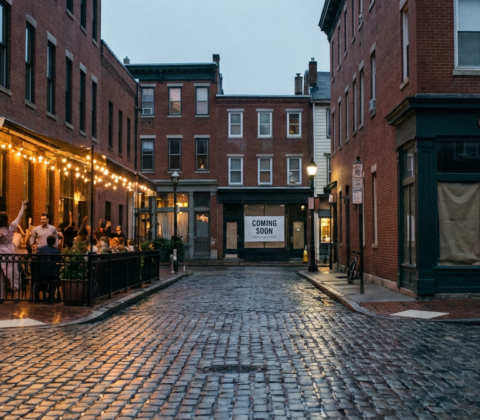
Three restaurants closed on my block this month. Not because of bad food or surly service, but because the math just doesn’t work anymore. While everyone’s posting crying emoji about losing their go-to brunch spot, nobody wants to talk about why we keep watching the same cycle play out over and over.
The uncomfortable truth is that most of us have become restaurant tourists in our own neighborhoods. We show up for the grand opening photos, hit the spot twice when it’s still Instagram-fresh, then drift away to chase the next new thing. Meanwhile, the places that actually sustained us for years get slowly strangled by rising rents and our own fickle attention spans.
I watched Marco at Bella Vista work doubles for three years straight, building relationships with customers who knew his kids’ names. The place closed last Tuesday. The new cocktail bar that replaced the corner deli lasted exactly four months. Guess which one had lines during opening week.
The Instagram Economy Is Eating Its Own Tail
Every new restaurant opening now feels designed for social media first, actual dining second. Those dramatic lighting fixtures that photograph beautifully? They make it impossible to actually see your food. The minimalist concrete aesthetic that screams “trendy”? Try having a conversation over the echo chamber acoustics.
Restaurant owners are trapped in this feedback loop where they have to create experiences that pop on Instagram to get initial foot traffic, but those same design choices often work against building the kind of comfortable, repeat-visit atmosphere that keeps places alive long-term. Sarah opened Flux Kitchen last year and spent more on her neon sign installation than on kitchen equipment. She told me this herself while explaining why her overhead was killing her.
The most successful new spots aren’t the ones with the best lighting for selfies. They’re the ones figuring out how to balance spectacle with substance. Luna’s Coffee managed to create an Instagram-worthy space that also works as a genuine hangout spot for the neighborhood. Their secret? They actually asked longtime residents what was missing from the area instead of assuming they knew.
Community vs. Capital
Here’s what nobody wants to admit: most neighborhood restaurant closures aren’t really about the pandemic or supply chain issues anymore. They’re about communities that forgot how to sustain the places they claim to love. We want the charm of a neighborhood spot with the convenience of never having to commit to being regulars.
The restaurants that survive have figured out how to navigate the tension between their immediate community and outside dollars. It’s a brutal balancing act. Cater too much to locals and you might not generate enough revenue. Chase tourist money too hard and you lose the neighborhood soul that made you special in the first place.
I watched this play out in real time. When food bloggers discovered Rosa’s Taqueria, the crowds meant Rosa could finally afford to expand her menu and hire help. But the new customers expected Rosa to perform authenticity rather than just make the food she’d always made. The dynamic shifted from neighbors supporting a local business to consumers demanding an experience. Rosa started feeling like she was working in a theme park version of her own restaurant.
The places getting this balance right are deliberately building systems for community engagement beyond just food. Harvest Table hosts monthly neighborhood meetings in their back room. The owner of Northside Noodles knows every regular’s usual order and actually remembers to ask about their kids. These aren’t marketing strategies, they’re survival strategies.
What Opens Next Says Everything About Who We’re Becoming
Pay attention to what replaces your closed restaurants. If it’s another fast-casual chain or a concept restaurant with venture capital backing, that tells you something about where your neighborhood is heading. If it’s someone from the community taking a risk on their grandmother’s recipes or a longtime cook striking out on their own, that’s a different story entirely.
The new Thai place that opened where Gino’s used to be isn’t just filling a vacant storefront. It’s a signal about whether this neighborhood still has space for small business owners to take meaningful risks, or whether only concepts with serious funding behind them can survive the current market reality.
I’m not romanticizing struggle or suggesting that restaurant owners should suffer for authenticity. But there’s something worth preserving in the model where someone with more passion than capital can still open a place that becomes part of the neighborhood’s actual fabric rather than just its temporary scenery.
How to Be Part of the Solution
The fix isn’t complicated, but it requires admitting that our habits as customers directly shape which restaurants live or die. If you actually want your neighborhood spots to survive, you have to show up consistently, not just when you’re in the mood for discovery.
Support the places during their slow periods, not just during their opening buzz. Order directly instead of through delivery apps that take huge cuts. Bring friends, but also go alone sometimes and sit at the counter. Talk to the staff. Learn their names. Become the kind of customer that makes restaurant work feel worthwhile instead of just transactional.
We need to get comfortable with the fact that sustainable neighborhood restaurants might not always give us the perfect Instagram moment or the most innovative fusion concept. Sometimes the best thing about a place is that it’s reliably there when you need it, making food that’s good enough to keep you coming back without being so precious that you only visit for special occasions.
What restaurants are you watching right now in your neighborhood? Which ones are you actually supporting with your regular business, and which ones are you just following on Instagram? Let’s talk about it, because these patterns are happening everywhere, and pretending otherwise won’t save the places we actually want to keep around.
Comments are Disabled