The Fandom Economy Has Eaten Culture Whole
When Hobbies Became Industries
Fandom used to be a weekend hobby. Now it’s a thirty-four billion dollar global market that shapes entertainment, politics, and how young people form their identities. The transformation happened quietly, then all at once. Comic conventions went from basement meetups to corporate showcases. Fan artists stopped sharing sketches for free and started launching Patreon empires. Somewhere along the way, loving something became the same thing as monetizing it.
This isn’t just about selling merchandise anymore. The modern fandom economy runs on attention, engagement, and emotional labor that fans provide for free. Every tweet defending your favorite artist, every fanfiction story expanding their universe, every meme that goes viral is unpaid marketing. I can’t tell where authentic enthusiasm ends and promotional activity begins anymore.
Here’s what makes me uncomfortable: entertainment companies now build business models around exploiting fan devotion. They’ve figured out how to harvest the creative energy that comes from genuine love and turn it into profit. Marvel doesn’t just sell movies. They sell participation in a shared mythology that fans help create and maintain through constant engagement.
The Psychology of Digital Devotion
Researchers call them parasocial relationships, a real psychological phenomenon where people form one-sided emotional bonds with media figures. For previous generations, this might have meant sending fan mail once a month. Fans today live in constant simulated intimacy with creators through social media, livestreams, and behind-the-scenes content.
This creates massive emotional investment. When your favorite YouTuber posts daily vlogs, responds to comments, and shares personal struggles, they feel like a real friend. The relationship becomes psychologically identical to actual friendship, except only one party knows the other exists. Companies have weaponized this dynamic, designing content specifically to trigger parasocial attachment.
The result? Fans who will defend creators with the same intensity they’d defend family members. They’ll spend money they can’t afford on merchandise, attack critics online, and organize massive campaigns to support their chosen figures. This devotion generates enormous economic value, but at what psychological cost to the fans themselves?
Stan Armies and the Weaponization of Love
Modern stan culture represents fandom at its most organized and ruthless. These coordinated fan armies can manipulate music charts, crash websites, and destroy careers through targeted harassment campaigns. The same passion that creates beautiful fan art also fuels cancel culture and online mob justice. Same emotional energy, just pointed in different directions.
The term “stan” itself comes from Eminem’s song about an obsessed fan who commits murder-suicide. That we’ve embraced this label reveals something disturbing about how normalized extreme fandom behavior has become. Know Your Meme culture tracking documents how these communities develop their own languages, hierarchies, and moral codes that often override mainstream ethics.
What really bothers me is how stan culture teaches young people that love requires constant public performance and defense. Being a “true fan” means spending money, promoting content, attacking critics, and never expressing doubt or criticism. This transactional model of affection bleeds into how they approach real relationships and political engagement.
The Creative Commons of Digital Natives
Fanfiction platforms now host over ten million stories across major fandoms. This is one of the largest creative writing communities in human history. This explosion of amateur creativity has democratized storytelling in ways we’ve never seen before. Writers who never would have had access to traditional publishing can find audiences, develop skills, and build careers from their bedrooms.
The fandom-to-professional pipeline is real and thriving. Video game designers cut their teeth making mods. Writers develop their craft through fanfiction before publishing original works. Artists build followings through fan art before launching original projects. Entire creative industries now work as informal apprenticeship systems where fandom participation is unpaid training.
But this system also normalizes unpaid creative labor. Millions of people create sophisticated content for free, generating value for platforms and entertainment companies while receiving no compensation. The expectation that creativity should be freely shared “for love of the fandom” makes it harder for artists to demand fair payment for their work.
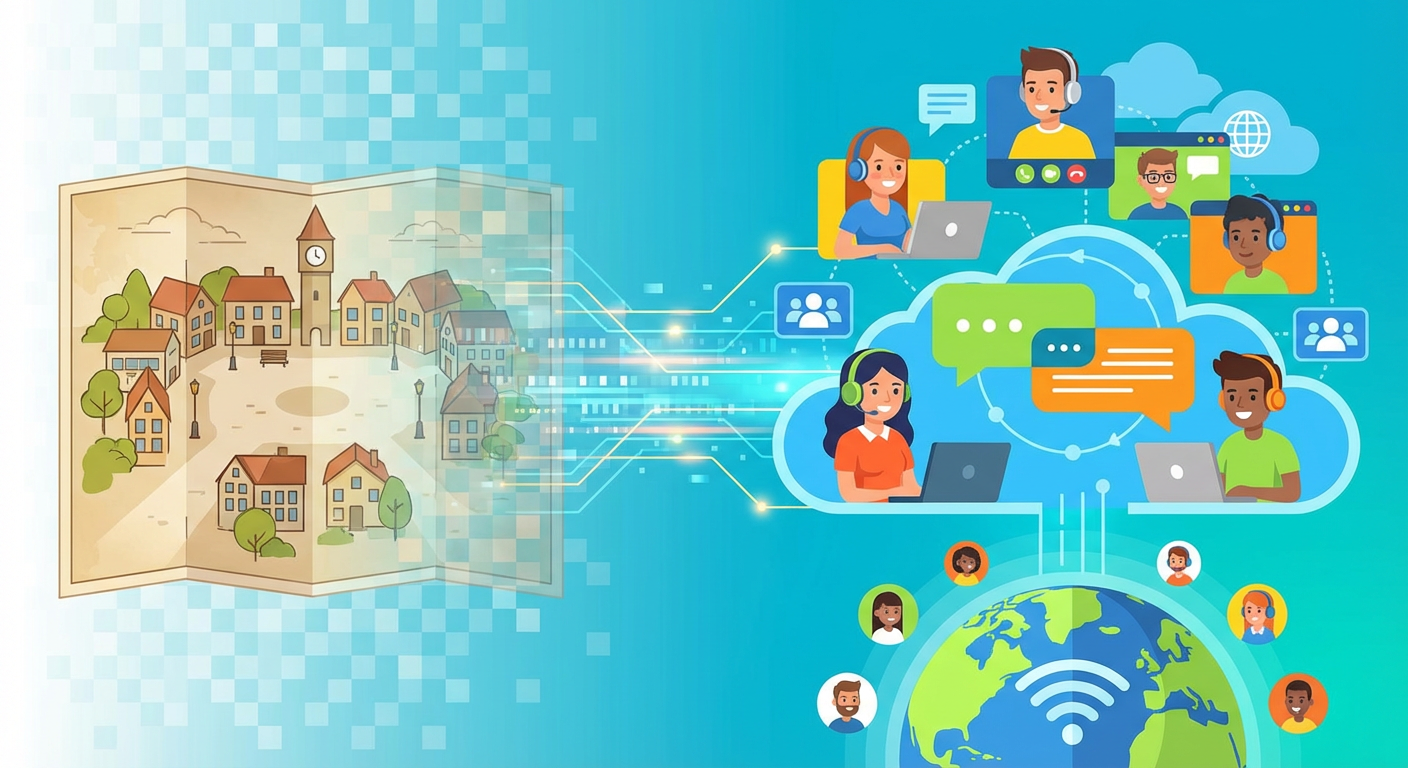
When Geography Dies, Fandom Fills the Void
For Generation Z, online communities have largely replaced geographic ones as sources of identity and belonging. Traditional institutions like churches, neighborhoods, and local clubs have weakened, leaving young people to find their tribes through shared media obsessions. Fandom culture analysis at Vulture explores how these digital communities provide crucial social infrastructure for isolated young people.
This shift has massive implications. When your primary social group forms around consuming media, your identity becomes inseparable from your entertainment choices. Criticizing someone’s favorite show feels like attacking their friend group. Changing tastes requires abandoning communities. Pop culture debates escalate because they’re really arguments about belonging and social status.
The fandom economy exploits this vulnerability by positioning consumption as community participation. Buying merchandise becomes civic duty. Streaming numbers become moral imperatives. Love becomes the same thing as economic activity, and authentic community gets confused with brand loyalty.
The most uncomfortable question isn’t whether this system is sustainable, but whether we can imagine alternatives. When passion becomes profit and community becomes commerce, what happens to the authentic human connections that made fandom meaningful in the first place? The answer matters for more than entertainment. It shapes how an entire generation learns to love, create, and belong.
Comments are Disabled