Monthly Archives: March 2026
The Wall That Held Us All: When Street Art Dies With Its Canvas
The Mural That Made Fifth Street Matter
You probably drove past it a thousand times without really seeing it. The massive piece that covered the entire south wall of Moreno’s bodega on Fifth Street, where Carmen Martinez spent three weeks last summer painting what would become the neighborhood’s unofficial town square. Kids posed for quinceañera photos in front of those swirling blues and golds. The corner boys knew every spray can brand by the way the paint caught afternoon light.
Now it’s gone. Not painted over, not tagged out. Gone, along with the building and the stories embedded in its brick. The developers finished their demolition last Tuesday, and with it disappeared one of the most photographed walls in our entire district. Carmen’s piece wasn’t just street art. It was the thing that made people slow down, look up from their phones, remember they lived somewhere with a pulse.
The bodega closed six months ago when Moreno couldn’t make rent. The mural outlived the business it celebrated, which feels about right for this neighborhood. Art stays longer than commerce, until it doesn’t. Until someone with deeper pockets decides your corner needs luxury condos more than it needs a reason to stop and stare.
What We Lose When Walls Come Down
Here’s what the city planning documents won’t tell you about cultural loss. When that wall came down, we didn’t just lose Carmen’s masterpiece. We lost the spot where three different generations of writers learned to use a can properly. Miguel Santos, who goes by MESH, practiced his letter structure there every morning before school in 2019. Last month, his work went up in a gallery downtown.
The wall held layers. Pieces that got covered, then partially revealed when someone else worked around them. You could see fragments of older work bleeding through newer paint, like archaeological strata made of Montana Gold and Krylon. Diego’s signature from 2018 peeked through Carmen’s clouds. Ana’s wheat paste portrait watched over the corner for two years before anyone painted around it, not over it.
These aren’t just pretty pictures on brick. They’re proof that people were here, that they had something to say about the place they call home. Every tag, every elaborate piece, every stenciled message was someone marking territory in the most fundamental way possible. This is mine. This matters. I exist.
The Economics of Erasure
The developers paid market rate for the building. Nobody’s claiming they broke any laws. But market rate doesn’t account for the value of a wall that’s been seasoned by five years of community artwork. There’s no line item in a development budget for the cultural infrastructure that disappears when you tear down the canvas.
Carmen spent her own money on paint. She bought supplies for the kids who helped with the lower sections. She came back weekends for two months to touch up tags and add details. The city never paid her a cent, but they issued three citations for illegal posting while she worked. Now they’re planning a public art initiative for the new development’s lobby. They’ll pay gallery rates for sanitized murals that won’t offend anyone or say anything particular about this specific place.
This is how neighborhoods lose their voice. One profitable demolition at a time. One wall that held the community’s visual history, reduced to rubble and hauled away in dumpsters.
Where the Artists Go Next
Carmen’s working on a new piece two blocks over, behind Santos Bakery. Word spreads fast when a good wall opens up. MESH is helping with the background work. Ana found another corner for her portraits. The scene adapts because it has to.
But something’s different now. The new spots don’t have the same visibility, the same foot traffic, the same sense of permanence that made Fifth Street special. These artists aren’t just looking for any wall. They’re looking for walls that matter, spaces where their work will be seen and remembered and maybe even protected by the community that grows around it.
The irony hits hard when you walk past the construction site now. The developer’s marketing materials promise “vibrant street life” and “authentic neighborhood character.” They’re selling the idea of the very thing they destroyed to build their project. The renderings show diverse people gathered in attractive public spaces, probably looking at public art that will be carefully curated and completely safe.
What Survives
Drive through the neighborhood now and you’ll see the ripple effects. New pieces appearing on walls that nobody paid attention to before. Artists pushing harder, getting more elaborate, because they know nothing lasts forever. The scene got more urgent when it lost its flagship location.
Carmen documented everything before the demolition. She’s working on a book project, but that’s not the same as being able to walk your kids past the place where neighborhood history lived in layers of paint and community pride. Photos preserve the image but not the experience of turning that corner and seeing something that made your own block feel significant.
The loss is real and specific. It’s not just about preserving art for art’s sake. It’s about maintaining spaces where people can speak directly to their neighbors, where the community’s visual conversation can happen in public, where anyone with a can of paint and something to say can add their voice to the ongoing story of a place.
If you know other walls where community art is thriving, or spots where it’s threatened, share them. The scene survives through networks of people who pay attention, who document, who show up when it matters. These stories don’t preserve themselves.
The Ghost Walk: What We Lose When Venues Die
Empty Windows Tell Stories
Walking past the old Velvet Underground last week, I stopped at the papered-over windows. Someone had scrawled “RIP” in silver Sharpie across the brown paper. The club closed six months ago, but the ghost of Thursday night jazz sessions still hangs in the doorway like cigarette smoke.
This is what neighborhoods do. They pile up ghosts. Not the spooky kind, but the cultural kind. The spots where things happened. Where Lisa Chen played her first open mic before she signed with Blue Note. Where Marco taught half the city’s bartenders how to make a proper Aviation. Where teenagers snuck in with fake IDs and discovered they actually liked bebop.
I’ve been mapping these ghosts for years without meaning to. Turn left at where Café Luna used to serve the city’s best cortado. Walk past the empty lot that was Bookworm’s Paradise. Cross at the corner where Giovanni’s food truck parked every Tuesday until the city changed the parking rules.
The Real Estate Shuffle
The math is simple and brutal. Rent goes up. Revenue doesn’t. The landlord finds someone willing to pay double for a space that took decades to build into something special. The new tenant usually sells phone cases or expensive salads.
But the math misses everything that matters. It doesn’t account for the way Rosa at El Corazón knew everyone’s usual order, or how the back booth at Murphy’s Tavern hosted three marriage proposals and countless breakups. It can’t measure the value of a sound engineer who understood exactly how to mic a room, or a bartender who let struggling artists run tabs they couldn’t afford.
The financial logic makes perfect sense on spreadsheets. In neighborhoods, it creates holes that never quite fill properly. The new coffee shop serves decent espresso, but nobody reads poetry there on Sunday mornings. The replacement restaurant has better Yelp reviews, but the staff doesn’t know your name.
Memory Lives in Muscle
Your body remembers venues differently than your mind does. Walk past where Record Riot used to be and your feet still want to turn toward the door. Your hands remember flipping through milk crates of vinyl, finding that Velvet Underground bootleg you’d been hunting for months.
Musicians feel this most acutely. Sarah Martinez still talks about the stage at The Hideout, how it had that one loose floorboard that you had to step around during energetic sets. The green room was a converted closet, but somehow every band that played there left feeling like they’d found their sound.
These physical memories create a neighborhood’s cultural DNA. They live in the way people move through space, in the stories they tell, in the routes they still walk even when the destinations have vanished. The city planners call this “wayfinding,” but they’re thinking about street signs. The real wayfinding happens through layers of memory and loss.
What Survives the Shuffle
Not everything dies when venues close. The communities scatter but don’t disappear entirely. The Tuesday night poetry group from Café Luna found each other again at the library. Three different bartenders from The Velvet Underground opened their own places within two years. The musicians who cut their teeth at The Hideout still play together, just at different stages across town.
Some changes surprise you. The old Galaxy Theater became artist lofts, and now hosts better parties than it ever did as a venue. The former Delancey Deli space turned into a community garden after sitting empty for eighteen months. Sometimes death creates space for something completely different but equally alive.
The trick is recognizing these mutations and adaptations. Cultural ecosystems are tough, but they’re also fragile. They need people paying attention, connecting dots, introducing the scattered communities to their new homes.
Walking the Memory Map
Every neighborhood needs someone keeping track of these stories. Not in a museum way, but in a living way. Someone who remembers that the corner where you grab your morning coffee used to host the city’s best open mic. Someone who can point out where the mural was before they painted over it, or explain why locals still call it “the Blockbuster corner” five years after the store closed.
These aren’t just nostalgia walks. They’re about understanding how culture moves through physical space, how communities form and reform and find each other again. They’re about recognizing that every empty storefront represents not just a failed business, but a broken ecosystem.
The ghosts aren’t haunting us. They’re teaching us. About what we value, what we’re willing to fight for, what we let slip away too easily. About the difference between a neighborhood and a collection of buildings.
Next time you’re walking around, pay attention to the empty windows and papered doors. Look for the scuff marks on sidewalks where people used to line up. Notice which corners still feel like gathering places even when there’s nothing there to gather around. The city’s cultural memory lives in these details, waiting for someone to read the signs.
The Death and Resurrection of Small Music Venues: A Three-Year Autopsy
The Great Die-Off: 2020-2022
Let’s be real about what happened. Between March 2020 and late 2022, we lost about 40% of our small venues. The Hideaway closed in June 2020. Café Luna shuttered that September. By Christmas 2021, even stalwarts like The Back Room were posting GoFundMe links.
The math was brutal. No shows meant no door fees. No door fees meant no rent. Landlords who’d been cool with late payments for years suddenly wanted three months upfront. Meanwhile, streaming revenue kept flowing to artists while venue owners got absolutely nothing.
But here’s what the obituaries missed: the venues that died weren’t necessarily the weakest ones. They were often the ones most dependent on tourism or college crowds. Places like Sonic Underground, which had thrived on out-of-town indie acts, got hit hardest. The neighborhood joints with strong local ties? They found ways to survive.
The Pivot Wars: What Actually Worked
Everyone tried something. Most of it failed spectacularly. Remember when every venue thought they’d become a restaurant? The Depot spent $15,000 on kitchen equipment only to discover that slinging burgers between sound checks is harder than it looks.
The winners were more creative. Marco at The Cellar started hosting “living room concerts” in people’s actual living rooms, taking a 20% cut. Smart. Sarah from Melody Bar turned her back room into a budget studio for recording sessions. Even smarter.
The real breakthrough came from venues that leaned into their communities instead of fighting the restrictions. When The Workshop started hosting outdoor acoustic sets in their parking lot, neighbors who’d complained about noise for years suddenly showed up with lawn chairs. Those relationships paid off when indoor shows came back.
The New Economics: Smaller Crowds, Higher Stakes
The venues that reopened in 2023 weren’t the same businesses that closed in 2020. Capacity dropped across the board, but so did overhead. The Workshop went from 200-person shows to 80-person shows, but also cut their staff from five to three on show nights.
Cover charges jumped. What used to be $8 is now $15. Artists are getting smaller guarantees but higher percentages of the door. The old model of packing 150 kids paying $5 each is dead. The new model is 60 adults paying $20 each, plus a two-drink minimum that actually gets enforced.
Booking has gotten weird. Venues are pickier about who they book, but also more collaborative. The Hideaway 2.0 (yes, it reopened under new management) now co-books shows with three other venues, creating mini-festivals that bounce audiences between locations over a weekend.
The Survivor Strategies: What’s Working Now
The venues thriving today share three things. First, they’ve diversified revenue streams. The Basement isn’t just a music venue anymore. It’s also a podcast studio, rehearsal space, and hosts corporate team-building events on Tuesday afternoons.
Second, they’ve embraced membership models. Café Luna came back as a listener-supported venue where $10/month gets you priority booking, discounted drinks, and access to member-only shows. It sounds corny, but 300 people signed up in the first month.
Third, they’ve gotten serious about data. Every successful venue owner I know can tell you exactly which artists draw crowds, which nights work best for which genres, and how weather affects attendance. The gut-feeling approach died with the pandemic.
What’s Coming Next: The 2024 Landscape
Three trends are shaping where this goes. The first is consolidation. Smaller venues are forming informal networks, sharing booking information and cross-promoting shows. It’s not quite a conspiracy, but it’s not competition either.
The second is the boutique experience trend. People want more than just live music now. They want Instagram-worthy cocktails, curated merch, and artists who’ll stick around to chat after the show. The venues adapting to this are thriving. The ones still operating like it’s 2019 are struggling.
The third is the return of weird experimental stuff. With smaller crowds and higher margins, venues can afford to take risks again. The Workshop just announced a monthly series pairing local jazz musicians with visual artists. Two years ago, that would have been financial suicide. Now? It sold out in three days.
The local scene isn’t dead, but it’s definitely different. Smaller, more intentional, more expensive, and weirdly more sustainable. The question isn’t whether venues will survive, the survivors have proven they can adapt. The question is whether audiences will embrace this new model or keep waiting for the old one to come back.
What’s your take? Are you seeing similar changes in your city’s venue scene? Drop me a line or find me at The Workshop next Friday. I’ll be the one taking notes in the back corner, probably texting updates between sets.

The Real Reason Your Favorite Spots Keep Disappearing (And Why the New Ones Aren’t Built to Last)
The Death Spiral Everyone’s Ignoring
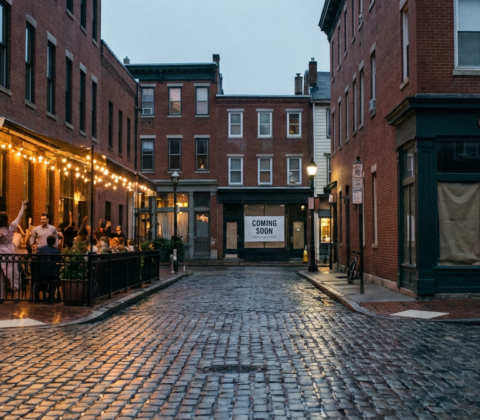
Three restaurants closed on my block this month. Not because of bad food or surly service, but because the math just doesn’t work anymore. While everyone’s posting crying emoji about losing their go-to brunch spot, nobody wants to talk about why we keep watching the same cycle play out over and over.
The uncomfortable truth is that most of us have become restaurant tourists in our own neighborhoods. We show up for the grand opening photos, hit the spot twice when it’s still Instagram-fresh, then drift away to chase the next new thing. Meanwhile, the places that actually sustained us for years get slowly strangled by rising rents and our own fickle attention spans.
I watched Marco at Bella Vista work doubles for three years straight, building relationships with customers who knew his kids’ names. The place closed last Tuesday. The new cocktail bar that replaced the corner deli lasted exactly four months. Guess which one had lines during opening week.
The Instagram Economy Is Eating Its Own Tail
Every new restaurant opening now feels designed for social media first, actual dining second. Those dramatic lighting fixtures that photograph beautifully? They make it impossible to actually see your food. The minimalist concrete aesthetic that screams “trendy”? Try having a conversation over the echo chamber acoustics.
Restaurant owners are trapped in this feedback loop where they have to create experiences that pop on Instagram to get initial foot traffic, but those same design choices often work against building the kind of comfortable, repeat-visit atmosphere that keeps places alive long-term. Sarah opened Flux Kitchen last year and spent more on her neon sign installation than on kitchen equipment. She told me this herself while explaining why her overhead was killing her.
The most successful new spots aren’t the ones with the best lighting for selfies. They’re the ones figuring out how to balance spectacle with substance. Luna’s Coffee managed to create an Instagram-worthy space that also works as a genuine hangout spot for the neighborhood. Their secret? They actually asked longtime residents what was missing from the area instead of assuming they knew.
Community vs. Capital
Here’s what nobody wants to admit: most neighborhood restaurant closures aren’t really about the pandemic or supply chain issues anymore. They’re about communities that forgot how to sustain the places they claim to love. We want the charm of a neighborhood spot with the convenience of never having to commit to being regulars.
The restaurants that survive have figured out how to navigate the tension between their immediate community and outside dollars. It’s a brutal balancing act. Cater too much to locals and you might not generate enough revenue. Chase tourist money too hard and you lose the neighborhood soul that made you special in the first place.
I watched this play out in real time. When food bloggers discovered Rosa’s Taqueria, the crowds meant Rosa could finally afford to expand her menu and hire help. But the new customers expected Rosa to perform authenticity rather than just make the food she’d always made. The dynamic shifted from neighbors supporting a local business to consumers demanding an experience. Rosa started feeling like she was working in a theme park version of her own restaurant.
The places getting this balance right are deliberately building systems for community engagement beyond just food. Harvest Table hosts monthly neighborhood meetings in their back room. The owner of Northside Noodles knows every regular’s usual order and actually remembers to ask about their kids. These aren’t marketing strategies, they’re survival strategies.
What Opens Next Says Everything About Who We’re Becoming
Pay attention to what replaces your closed restaurants. If it’s another fast-casual chain or a concept restaurant with venture capital backing, that tells you something about where your neighborhood is heading. If it’s someone from the community taking a risk on their grandmother’s recipes or a longtime cook striking out on their own, that’s a different story entirely.
The new Thai place that opened where Gino’s used to be isn’t just filling a vacant storefront. It’s a signal about whether this neighborhood still has space for small business owners to take meaningful risks, or whether only concepts with serious funding behind them can survive the current market reality.
I’m not romanticizing struggle or suggesting that restaurant owners should suffer for authenticity. But there’s something worth preserving in the model where someone with more passion than capital can still open a place that becomes part of the neighborhood’s actual fabric rather than just its temporary scenery.
How to Be Part of the Solution
The fix isn’t complicated, but it requires admitting that our habits as customers directly shape which restaurants live or die. If you actually want your neighborhood spots to survive, you have to show up consistently, not just when you’re in the mood for discovery.
Support the places during their slow periods, not just during their opening buzz. Order directly instead of through delivery apps that take huge cuts. Bring friends, but also go alone sometimes and sit at the counter. Talk to the staff. Learn their names. Become the kind of customer that makes restaurant work feel worthwhile instead of just transactional.
We need to get comfortable with the fact that sustainable neighborhood restaurants might not always give us the perfect Instagram moment or the most innovative fusion concept. Sometimes the best thing about a place is that it’s reliably there when you need it, making food that’s good enough to keep you coming back without being so precious that you only visit for special occasions.
What restaurants are you watching right now in your neighborhood? Which ones are you actually supporting with your regular business, and which ones are you just following on Instagram? Let’s talk about it, because these patterns are happening everywhere, and pretending otherwise won’t save the places we actually want to keep around.
The Fandom Economy Has Eaten Culture Whole
When Hobbies Became Industries
Fandom used to be a weekend hobby. Now it’s a thirty-four billion dollar global market that shapes entertainment, politics, and how young people form their identities. The transformation happened quietly, then all at once. Comic conventions went from basement meetups to corporate showcases. Fan artists stopped sharing sketches for free and started launching Patreon empires. Somewhere along the way, loving something became the same thing as monetizing it.
This isn’t just about selling merchandise anymore. The modern fandom economy runs on attention, engagement, and emotional labor that fans provide for free. Every tweet defending your favorite artist, every fanfiction story expanding their universe, every meme that goes viral is unpaid marketing. I can’t tell where authentic enthusiasm ends and promotional activity begins anymore.
Here’s what makes me uncomfortable: entertainment companies now build business models around exploiting fan devotion. They’ve figured out how to harvest the creative energy that comes from genuine love and turn it into profit. Marvel doesn’t just sell movies. They sell participation in a shared mythology that fans help create and maintain through constant engagement.
The Psychology of Digital Devotion
Researchers call them parasocial relationships, a real psychological phenomenon where people form one-sided emotional bonds with media figures. For previous generations, this might have meant sending fan mail once a month. Fans today live in constant simulated intimacy with creators through social media, livestreams, and behind-the-scenes content.
This creates massive emotional investment. When your favorite YouTuber posts daily vlogs, responds to comments, and shares personal struggles, they feel like a real friend. The relationship becomes psychologically identical to actual friendship, except only one party knows the other exists. Companies have weaponized this dynamic, designing content specifically to trigger parasocial attachment.
The result? Fans who will defend creators with the same intensity they’d defend family members. They’ll spend money they can’t afford on merchandise, attack critics online, and organize massive campaigns to support their chosen figures. This devotion generates enormous economic value, but at what psychological cost to the fans themselves?
Stan Armies and the Weaponization of Love
Modern stan culture represents fandom at its most organized and ruthless. These coordinated fan armies can manipulate music charts, crash websites, and destroy careers through targeted harassment campaigns. The same passion that creates beautiful fan art also fuels cancel culture and online mob justice. Same emotional energy, just pointed in different directions.
The term “stan” itself comes from Eminem’s song about an obsessed fan who commits murder-suicide. That we’ve embraced this label reveals something disturbing about how normalized extreme fandom behavior has become. Know Your Meme culture tracking documents how these communities develop their own languages, hierarchies, and moral codes that often override mainstream ethics.
What really bothers me is how stan culture teaches young people that love requires constant public performance and defense. Being a “true fan” means spending money, promoting content, attacking critics, and never expressing doubt or criticism. This transactional model of affection bleeds into how they approach real relationships and political engagement.
The Creative Commons of Digital Natives
Fanfiction platforms now host over ten million stories across major fandoms. This is one of the largest creative writing communities in human history. This explosion of amateur creativity has democratized storytelling in ways we’ve never seen before. Writers who never would have had access to traditional publishing can find audiences, develop skills, and build careers from their bedrooms.
The fandom-to-professional pipeline is real and thriving. Video game designers cut their teeth making mods. Writers develop their craft through fanfiction before publishing original works. Artists build followings through fan art before launching original projects. Entire creative industries now work as informal apprenticeship systems where fandom participation is unpaid training.
But this system also normalizes unpaid creative labor. Millions of people create sophisticated content for free, generating value for platforms and entertainment companies while receiving no compensation. The expectation that creativity should be freely shared “for love of the fandom” makes it harder for artists to demand fair payment for their work.
When Geography Dies, Fandom Fills the Void
For Generation Z, online communities have largely replaced geographic ones as sources of identity and belonging. Traditional institutions like churches, neighborhoods, and local clubs have weakened, leaving young people to find their tribes through shared media obsessions. Fandom culture analysis at Vulture explores how these digital communities provide crucial social infrastructure for isolated young people.
This shift has massive implications. When your primary social group forms around consuming media, your identity becomes inseparable from your entertainment choices. Criticizing someone’s favorite show feels like attacking their friend group. Changing tastes requires abandoning communities. Pop culture debates escalate because they’re really arguments about belonging and social status.
The fandom economy exploits this vulnerability by positioning consumption as community participation. Buying merchandise becomes civic duty. Streaming numbers become moral imperatives. Love becomes the same thing as economic activity, and authentic community gets confused with brand loyalty.
The most uncomfortable question isn’t whether this system is sustainable, but whether we can imagine alternatives. When passion becomes profit and community becomes commerce, what happens to the authentic human connections that made fandom meaningful in the first place? The answer matters for more than entertainment. It shapes how an entire generation learns to love, create, and belong.
When Fandom Became the Economy: How Internet Subcultures Rewrote the Rules of Culture
The Billion-Dollar Bedroom Revolution
Something wild happened when teenagers with WiFi connections started organizing themselves into economic powerhouses. The global fandom marketplace now generates over thirty-four billion dollars annually through merchandise, events, and digital content. This isn’t just about selling t-shirts anymore.
These communities started in bedroom corners and Discord servers, yet their purchasing power rivals traditional industries. When K-pop fans coordinate album purchases to dominate charts, or when Marvel enthusiasts drive opening weekend box office records, we’re watching economic democracy play out in real time. The passion economy found its perfect home in fandom culture.
What gets me about this isn’t the money itself, but how these communities generate value through pure emotional investment. Fans don’t just consume content. They create parallel economies around it. They commission art, fund conventions, and build entire creative ecosystems that didn’t exist twenty years ago.
The Psychology of Digital Devotion
Researchers now study parasocial relationships as real psychological phenomena, recognizing that one-sided emotional connections with creators and fictional characters actually affect behavior and identity. These aren’t unhealthy attachments. They’re normal responses to digital-first social environments.
Young people form genuine communities around shared fictional universes because geography no longer determines belonging. Gen Z doesn’t need physical proximity to experience deep social connection. They find their tribes in comment sections, fan forums, and collaborative creative projects that span continents.
The intensity of these relationships drives both creation and consumption. When fans feel personal stakes in a creator’s success or a character’s development, they invest time and money at levels that traditional marketing could never achieve. This emotional labor becomes economic force.
The Paradox of Stan Power
Stan armies represent the most concentrated expression of fandom economics and politics. These organized fan bases can manipulate streaming charts, coordinate boycotts, and mobilize political action with frightening efficiency. They’ve become both culture makers and culture breakers at the same time.
The same communities that launch unknown artists to Billboard success also orchestrate career-ending cancellation campaigns. Their power comes from understanding digital platforms better than the institutions they’re disrupting. When fans coordinate streaming patterns or hashtag campaigns, they’re basically hacking attention economies.
This dual nature reveals something essential about internet culture: passion and destruction often spring from identical sources. The devotion that creates also consumes. Know Your Meme culture tracking documents how quickly celebratory movements transform into aggressive ones, sometimes within hours.
From Fan Fiction to Professional Fiction
Major fanfiction platforms now host over ten million stories spanning every conceivable fandom, creating the largest collection of amateur creative writing in human history. This isn’t just hobbyist activity. It’s become a professional development pipeline that traditional creative industries increasingly recognize and recruit from.
Writers who cut their teeth on fanfiction bring unique skills to professional environments. They understand audience engagement, iterative feedback, and collaborative storytelling in ways that traditional creative education doesn’t teach. Game designers, novelists, and screenwriters increasingly emerge from fandom backgrounds rather than conventional training programs.
The economic implications go beyond individual career paths. Fanfiction culture has normalized transformative work, challenging traditional intellectual property frameworks. When fans create commercially viable content based on existing properties, they’re basically conducting R&D for entertainment companies.
Fandom culture analysis at Vulture has tracked how major entertainment properties now incorporate fan preferences and theories directly into official content, creating feedback loops between amateur and professional creative communities.
The New Geography of Belonging
Internet subcultures have completely reorganized how young people experience community and identity formation. Geographic proximity matters less than shared interests and values expressed through digital participation. This shift has huge implications for everything from political organization to economic behavior.
Traditional institutions built around physical spaces struggle to compete with communities organized around shared passion. Religious organizations, political parties, and social clubs find themselves displaced by fandoms that offer stronger senses of purpose and belonging. The church of Marvel fandom provides more consistent community engagement than many actual churches.
This reorganization creates new forms of cultural capital and social mobility. Success within fandom communities can translate into real economic opportunities, creative partnerships, and professional networks. The teenager who becomes a respected fan artist or fiction writer gains access to opportunities that traditional gatekeepers never would have provided.
The Cultural Moment That Changed Everything
We’re living through the exact moment when internet subcultures stopped being niche curiosities and became primary cultural forces. The conditions that made this possible include ubiquitous broadband, platform capitalism, and the democratization of creative tools, but the real catalyst was recognizing that passion creates value more efficiently than traditional market research.
Entertainment companies now study fandom behavior with the intensity once reserved for focus groups and demographic surveys. They’ve learned that authentic community engagement generates more sustainable revenue than manufactured hype campaigns. The fans aren’t just audiences anymore. They’re unpaid creative partners and market research departments rolled into one.
This transformation reveals something essential about how culture actually works in digital environments. Authority flows upward from passionate communities rather than downward from institutional gatekeepers. The future belongs to whoever best understands how to nurture and collaborate with these self-organizing creative ecosystems.
What other cultural shifts are hiding in plain sight within online communities? The next billion-dollar industry might be emerging right now in a Discord server you’ve never heard of, driven by passions you don’t yet understand.